Track by Res Magnifica featured in «Electronic Therapy» radioshow (May 29, 2020).
Listen and find there:
- «Last Shadows» from Accasari & Res Magnifica – «Split»
Thanks to Julien and Francis.


Track by Res Magnifica featured in «Electronic Therapy» radioshow (May 29, 2020).
Listen and find there:
Thanks to Julien and Francis.
Jay Leno Obama Clinton Cialis CommercialTadalafil Dosage20 Mg CialisPrix Cialis 20mg Boite De 8Presentacion De Cialis 20 MgCialis La Thuoc GiCialis Generico En Farmacias Similares MexicoCheapest Generic Viagra CialisCheap Cialis 20mg AustraliaPrescrivere Cialis
Cat.# … DNA 208
Release Date … 27.08.2019
Genre … Drone Ambient
Type … FLAC Lossless
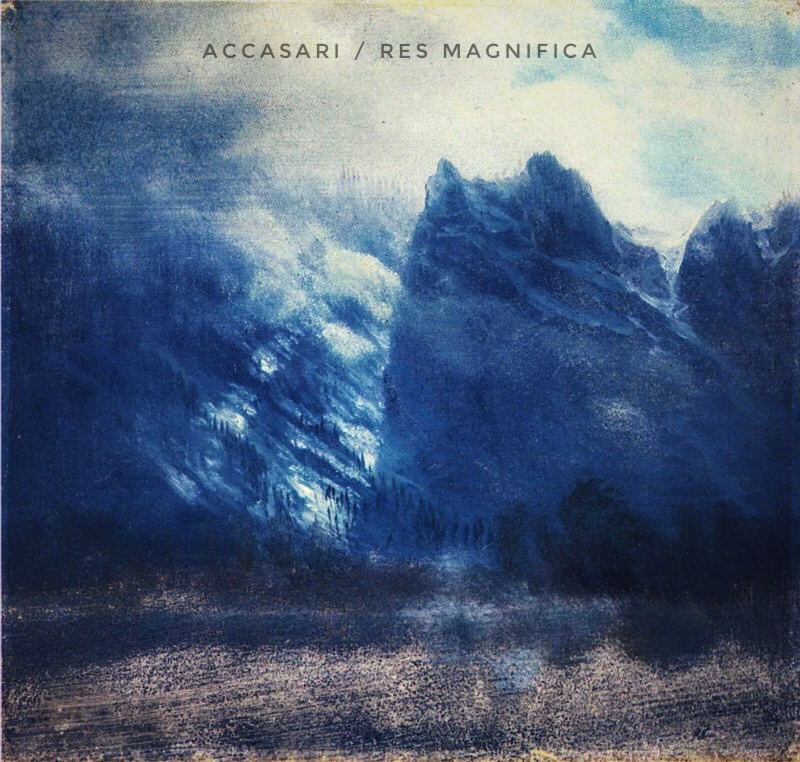
A little bit noisy drone ambient, murky, atmospheric and undoubtedly inspired by Maeror Tri works – in this way new split by Res Magnifica and Accasari opens up. This austere and deep drone ambient, sometimes archaic and closed, with slow development is two-tracks first half contributed by Latvian project Res Magnifica.
In the second half of the split Accasari continues to rethink Maeror Tri creativity with his signature dense guitar loops weaving and reweaving in one sound web. Light melodies, smooth switching to distorted guitar chords, their deliberate resonances in emotional peaks и rare breathing of fading guitar loops are expertly embedded in typical Maeror Trin constructions to balance the split’s somber first half.
Cat.# … DNA 207
Release Date … 25.03.2019
Genre … Guitar Drone, Guitar Ambient
Type … FLAC Lossless
Hollow rooms packed with fragmented strings. Unending vibrancies overlay each other in various sound layers, in different times. Occasionally reached harmonies get broken immediately with next bunch of metal threads singing their own songs. Chants of crystalline grids, vibrations instead of words, resonances instead of melodies. Metal wind tears off metal leaves of metal trees’ twigs and drags them through hollow tubes of streets where mute streetcleaner strums his wire-made broom.
New Accasari work has no chance to disappoint: swarming guitar drones, vibrating chaos of chords, and so much atmosphere.
Cat.# … DNA 206
Release Date … 20.03.2019
Genre … Drone, Drone Ambient
Type … FLAC Lossless
Developing ideas of the previous work “Kingdom of Grey“, Paul Minesweeper release new work which appears to be something between a classic drone ambient and a distorted guitar drone. Now this distinctive drone-ambient project hailing from St.Petersburg, Russia, goes with a clear emphasis on aggression, frustration, sadness and disappointment rather than overall neutrality, and adds some elements of post-metal and rhythmic industrial.
You can find there clear influence of such iconic projects as Bad Sector, Ben Frost, Saåad and Nadja as well as original distorted drones and noises passed through a prism of St.Petersburg’s gray and depressive winter. Light melodic background is finally added to this sullen atmosphere for better balance.
There are a lot of loneliness, self-discovery, rare glimpses of pacification and hope and project traditional wall of noise broken by analogue distortions and digital noises for loyal fans and tenacious listeners.
Track by Berthelot featured in «Electronic Therapy» radioshow (January 11, 2019).
Listen and find there:
Thanks to Julien and Francis.
Cat.# … DNA 205
Release Date … 11.09.2018
Genre … Guitar Drone, Guitar Ambient
Type … FLAC Lossless
Short but intense, new Accasari’s work called «Ordered Chaos» piles heaps of string chords of various kinds and origin. Piled right upon listeners, swarms of these chords oddly transform into sometimes balanced, sometimes chaotic patterns of varied emotional states. Aggressive hesitation, depression, uneasiness in first track «Sick Of It All» make way through contemplative escape from everyday stress in second self-titled track for mental isolationism and karma purge with throwing negative emotions out in final «Deep End».
In «Ordered Chaos», Accasari occasionally leaves guitar ambient territory but never reaches post-rock borders. It finds space for itself somewhere between different Aidan Baker’s works and keeps its energy and intensity of short piece, not a lengthy wandering in dark corners of reflexions.
Track by Accasari featured in «Electronic Therapy» radioshow (July 13, 2018).
Listen and find there:
Thanks to Julien and Francis.
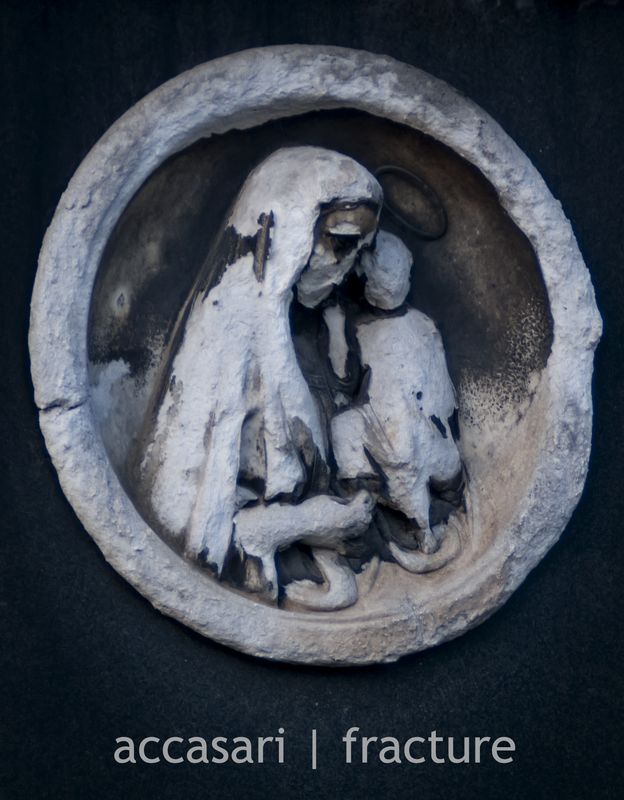
Cat.# … DNA 204
Release Date … 26.06.2018
Genre … Drone, Drone Ambient
Type … FLAC Lossless
Drones and melodies mixed dyes paint static canvases which fold and form tunnels. Enter the tunnels, feel coarse asphalt of distorted drones. They tangle you in the mess of cyclic noise loops and daze you, disorientate, get lost between walls of tattered nervous melodies. The tunnels drag you in the sonic whirlpool, lead to dead electric lights well where frenzied guitar crescendos carve a piece of irreality in dark surroundings of noise and hum. The tunnels stretch blink of camera flash indefinitely, then send you in endless flight to nowhere and eventually dump you, exhausted and enlightened, out in the tender embrace of silence.
Fracture and Wizard’s Fire, more-than-thirty minutes of guitar frenzy and noise witchcraft, a half-hour flight through dark tunnels of sonic underside.
«Fracture» is a part of «Short Drones» series – «Short Drones Part XIV».
Track by Berthelot featured in «Electronic Therapy» radioshow (June 15, 2018).
Listen and find there:
Thanks to Julien and Francis.
Track by Berthelot featured in «Electronic Therapy» radioshow (March 30, 2018).
Listen and find there:
Thanks to Julien and Francis.